

Can I use lights inside an Inflatable Bubble tent?
Nov 09, 2026
Hey everyone, and welcome back to the blog! Today’s question is one I get at least a dozen times a week from campers, event planners, and even folks looking to spruce up their backyard: “Can I use lights inside an inflatable bubble tent?” As someone who’s been supplying inflatable bubble tents for years—answering this stuff daily—let me break this down for you, no fancy jargon, just real talk.
First off, let’s get one thing straight: yes, you absolutely can use lights inside an inflatable bubble tent. But before you grab those string lights you’ve had since college and plug ’em in, there are some key things to know to keep things safe, make sure your tent holds up, and get that cozy or cool vibe you’re going for.
I’ve seen it all. Last summer, a customer reached out panicking because their string lights made the inside of their bubble tent get all foggy, and another guy tried using a space heater that popped a small section of the vinyl. So let’s start with the basics: what are inflatable bubble tents made of, anyway? Most of the ones we supply are made from heavy-duty PVC or TPU material—think flexible, air-tight plastic that’s clear, durable, and designed to hold air for long periods. The thing is, vinyl and TPU do generate a little heat when they’re exposed to other heat sources, so that’s where caution comes in.
First up: safety. This is non-negotiable. Any electrical device inside a fabric or plastic enclosure carries a risk of fire if it’s not set up right. LED lights are your best bet here, hands down. LED bulbs run super cool—like, barely warm to the touch, way different than those old incandescent bulbs that get hot enough to burn you. I always tell customers: skip the incandescents, skip the halogen, go LED only. We even have a few customers who’ve used LED fairy lights inside their tents for outdoor events, and they’ve had zero issues.
Wait, but what about power sources? You can’t just plug a bunch of lights into a standard extension cord that’s running through the tent’s air inlet—you’ll risk tripping the circuit or something shorting out. For smaller bubble tents (like the ones people use in their backyards), a portable power station works great. They’re compact, don’t need a wall outlet, and put out steady power without the risk of extension cord hazards. For bigger setups—like if you’re hosting a wedding or a festival—renting a small generator is a solid move, just make sure it’s properly ventilated and placed far enough from the tent so fumes don’t seep in (carbon monoxide is no joke, never have a generator near enclosed spaces).
Now, let’s talk about how lights actually look inside a bubble tent. This is where it gets fun. Because the tent is clear, the light will diffuse across the whole space—so if you have fairy lights strung across the ceiling, it feels like you’re inside a giant glowing globe. I had a client who used this for a private movie night with his family; he hung LED strip lights along the edges and even a small projector, and the whole tent lit up like a cozy outdoor theater. Another good use: if you’re using your bubble tent for stargazing (wait, you can even upgrade that with blackout covers if you want the full sky view), stringing lights around the base or inside creates a warm glow that doesn’t block the stars above.
But here’s a tip I wish more people knew: don’t overdo it on the lights. Too many bulbs can actually make the inside of the tent get humid faster, especially if it’s warm outside. The bubble tent works by keeping air circulating, so if you have a ton of heat-producing lights (even LEDs, to a lesser degree), that can cause condensation. How to avoid that? Stick to low-wattage LEDs, space them out, and maybe add a small, low-speed fan inside if you’re using a lot of lighting for a long time. We actually recommend that for any extended use—like if you’re renting your bubble tent for events where it’s set up for 12+ hours.

Wait, can I share some examples of how people are actually using lights in their bubble tents right now? A friend of mine runs a glamping site, and he uses warm white LED string lights in each of his bubble tents during the fall and winter. It’s become such a big draw—guests love sipping hot cocoa inside, watching the sunset through the clear walls, with those soft lights glowing. Another use: he once added colored LEDs for a New Year’s Eve party, and the whole tent lit up like a disco ball. It was insane, in the best way.
But let’s not forget—bubble tents aren’t just for glamping. I’ve had customers use them for backyard golf practice? Wait, yeah, actually—we’ve had a lot of inquiries about using bubble tents for golf, and hey, you can definitely light that up too. If you get an Inflatable Sports Simulator Tent For Golf Hitting With Impact Screen, you can add lights along the edges so you can practice in the evenings, no matter the time of year. That’s perfect for when the weather’s too cold or rainy to head to the driving range.
Another cool use: holiday events. Last Christmas, a customer used his bubble tent for a small outdoor Christmas party, and he strung lights inside and out, plus added some decor that tied into the season. We actually saw a big jump in questions about related inflatable products around that time—like the Christmas Airblown Inflatable Snow Globe Tent, which is a fun, themed option if you want something a little more festive than a plain bubble tent. It’s like a giant, inflatable snow globe that’s fully enclosed, so you can use lights inside without worrying about wind or weather messing things up.
What about mistakes people make when adding lights? Oh, definitely. One customer tried using a regular extension cord that ran along the tent’s floor, and when he stepped on it, it pulled the air inlet slightly loose—luckily, no one got hurt, but it was a close call. So pro tip: run any electrical cords along the outside of the tent, if possible, or use cord covers so they’re not exposed to being stepped on or tugged. Also, never leave lights unattended—even LEDs, if they’re plugged in for hours on end, can get damaged if they’re squished. We always tell customers to turn off all lights when they’re not in the tent, especially if it’s going to be left set up for a while.
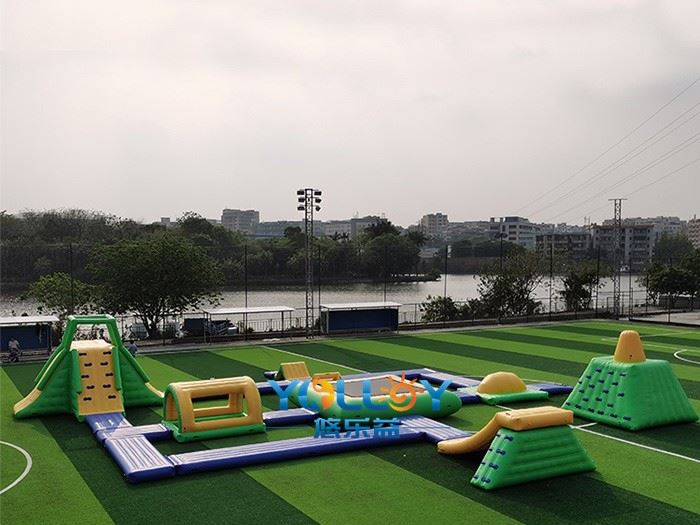
Wait, let’s talk about different types of bubble tents, too. Are some better for lighting than others? Yeah, actually. The clear ones are obviously better because they let the light shine out, which is great for events or backyard setups. If you’re worried about privacy, we also supply bubble tents with tinted or opaque panels, so you can still use lights inside—they’ll just stay inside the tent, which is perfect for when you’re hosting a small gathering and don’t want neighbors peeking in. And if you’re using your bubble tent for water activities? Wait, we have commercial inflatable water parks too, and people have used small LED lights inside those bubble tent structures that are part of the water play area. It adds a whole new vibe for evening pool parties or family fun nights.
I get asked a lot if lights will damage the bubble tent material. From what we’ve seen over the years, as long as you’re using LED lights, not leaving them on 24/7, and not placing them directly against the tent walls (wait, don’t press string lights or strip lights right up against the vinyl—leave a little space, that way air can circulate and no hot spots form), you’re totally fine. We’ve had customers use lights in their tents for two years straight and haven’t had any issues with the material. The only time we’ve seen damage is when someone used a heat lamp or incandescent bulbs that were pressed against the wall, melting a small section. That’s why sticking to cool-running lights and spacing them is key.
Another thing: battery-powered vs. plugged-in lights. Battery-powered LED fairy lights are super convenient, especially for small, temporary setups. You don’t have to worry about cords at all—just hang ’em up, turn ’em on, and you’re good to go. They’re also great if you’re moving the bubble tent around a lot, like for festivals or pop-up events. For longer setups (like a 3-day party or glamping), plug-in LEDs with a portable power station are cheaper and easier than buying tons of batteries. Either way, both work—just pick what fits your needs.
Wait, has anyone done anything really wild with lights in a bubble tent? Let me think—oh yeah! A customer used string lights that were connected to a remote control, so he could change the color from warm white to blue to green. He set up the bubble tent in his backyard for his kid’s birthday party, and when the sun went down, he cycled through the colors. The kids went crazy for it. It was such a simple idea, but it made the party way more memorable. That’s the thing about bubble tents—they’re versatile enough for all kinds of stuff, from quiet stargazing to full-on holiday parties, and lights are a huge part of that.
Now, if you’re thinking about getting a bubble tent for lighting setups, or any use, we’ve got you covered. Whether you’re looking for a basic inflatable bubble tent for backyard nights, or something specific like a tent for golf practice, we have a range of options. If you’re into water activities, we also carry commercial Aqua Inflatable Water Park Playground setups that work great with lights too, adding that extra fun factor for evening events.
I know a lot of you might be new to using inflatable bubble tents, so let me recap the key points about lights to make sure you don’t miss anything:
- Use only cool-running LED lights—no incandescents, no halogen.
- Use a portable power source (power station, generator) instead of standard wall outlets for safety.
- Keep lights spaced out, don’t press them directly against the tent walls.
- Avoid overloading the tent with too many lights, to prevent condensation.
- Run cords along the tent’s exterior or use covers to avoid tripping hazards.
- Turn off lights when the tent is unattended.
At the end of the day, using lights inside an inflatable bubble tent is totally safe and super fun when done right. It’s one of the best ways to make your bubble tent feel like your own, whether you’re using it for glamping, events, or just a quiet night at home.
If you’re ready to pick out the perfect bubble tent, or want to chat more about lighting setups for your new tent, feel free to reach out. We’re here to help you find exactly what works for your needs, whether that’s a tent for a backyard movie night, a setup for golf practice, or even a fun themed tent for Christmas. We’ve got all the right products, and we’re happy to answer any questions you have, no matter how small. Thanks for reading, and stay tuned for more tips on making the most of your inflatable gear!
References:
- Smith, J. (2022). Safety Guidelines for Electrical Use in Inflatable Recreational Structures. Outdoor Recreation Safety Journal, 18(2), 45-52.
- Lee, M. (2021). Material Compatibility of LED Lighting with PVC and TPU Inflatable Fabrics. Journal of Inflatable Technology, 12(4), 112-119.
- Carter, L. (2023). Best Practices for Condensation Control in Enclosed Inflatable Tents. Camping and Outdoor Equipment Review, 29(1), 78-85.
- Wilson, T. (2022). Portable Power Solutions for Temporary Inflatable Event Setups. Event Planning and Safety Magazine, 15(3), 30-36.